
Churchill Fellowship
To investigate circus as an educational mechanism for indigenous youth
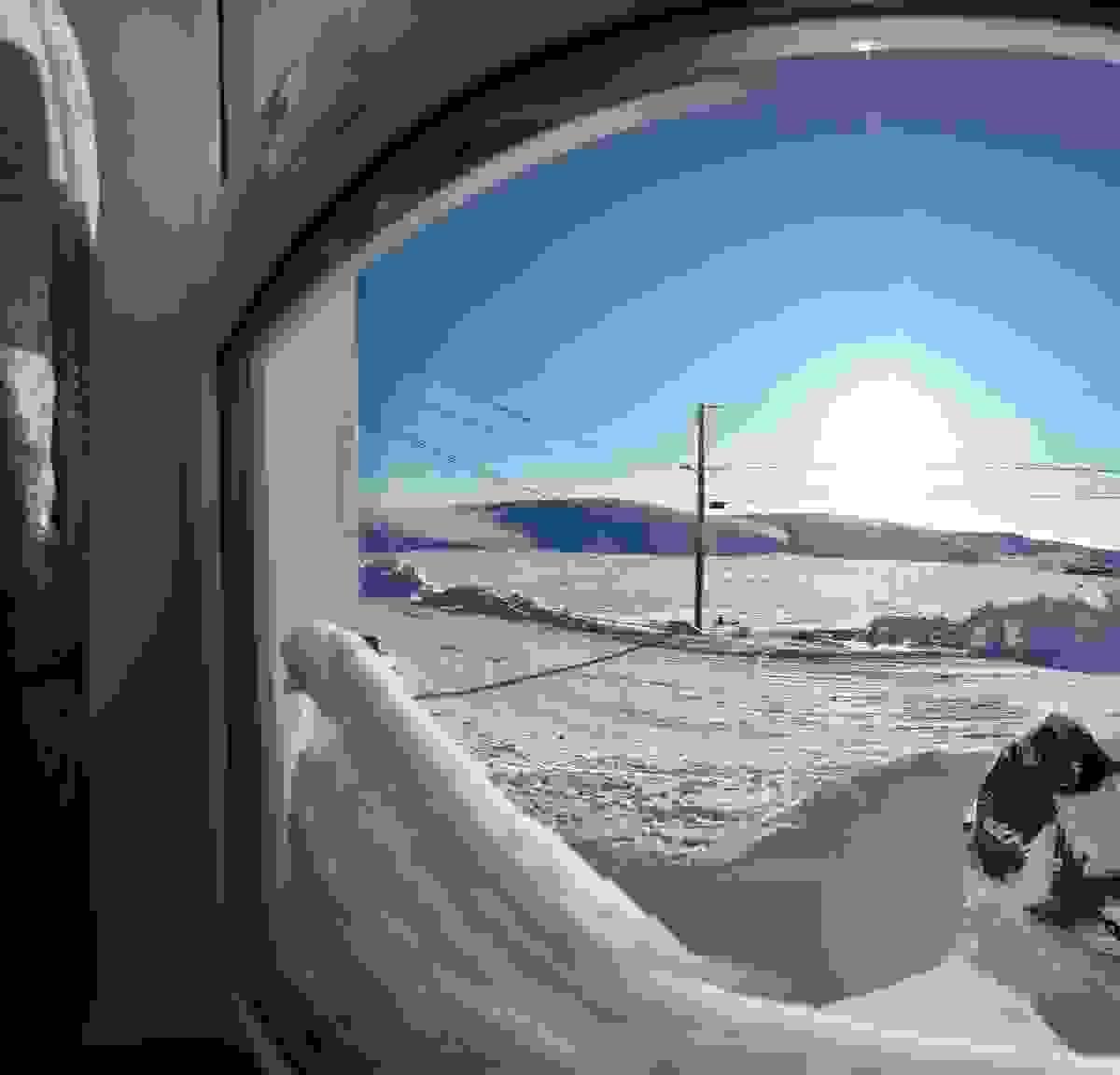
Learning through listening and observation
My Churchill Fellowship explored how circus education can be delivered in ways that honour culture, community priorities, and diverse learning styles. I travelled internationally to learn from models of circus practice that are embedded in community life and shaped by local knowledge systems.
This research strengthened my commitment to approaches that are practice‑based, community‑grounded, and adaptable to the realities of working in remote contexts. It also deepened my understanding of how circus can support wellbeing, identity, and belonging, particularly for young people who benefit from clear boundaries, predictable systems, and opportunities to take safe, supported risks.
The Fellowship continues to guide my work across the Northern Territory, informing how I design programs, collaborate with schools and communities, and contribute to advocacy for culturally responsive circus education.
Trust, interdependence, and shared responsibility
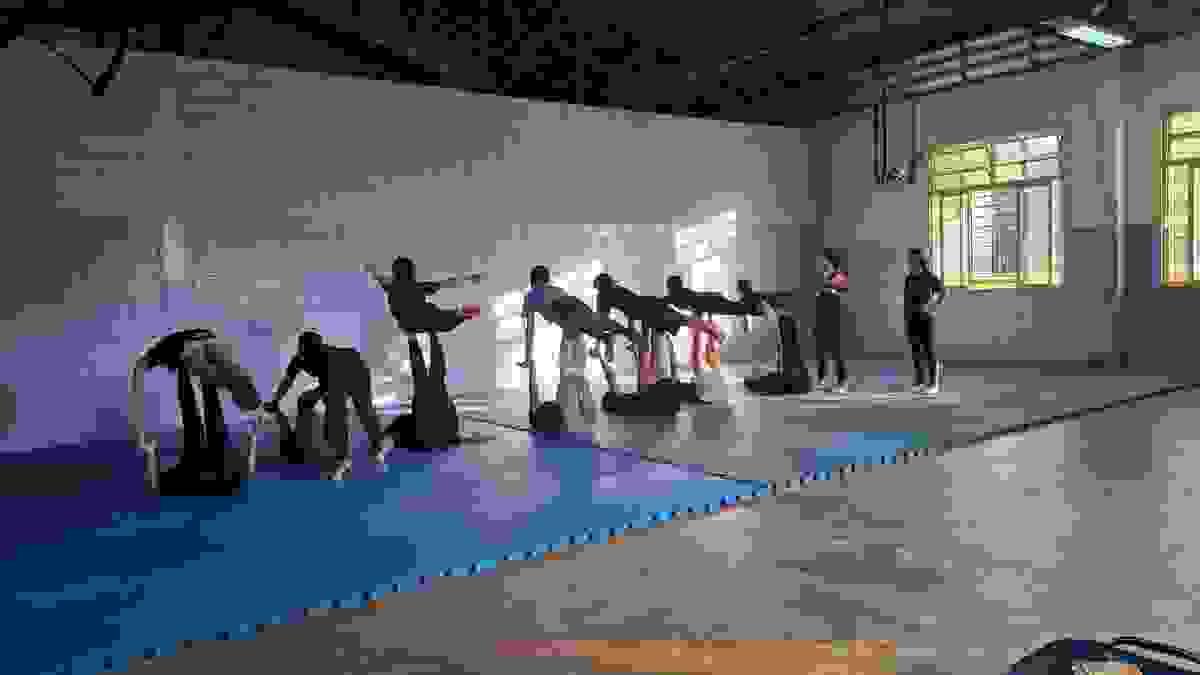
Across the Fellowship, I was drawn to forms of circus practice that rely on collective trust and shared responsibility rather than individual display. In these contexts, learning is not transactional or hierarchical; it is relational, negotiated, and held collectively.
I observed how clear structures, mutual reliance, and attentiveness to one another create conditions where people can take risks safely. These practices foreground care, accountability, and interdependence, offering an alternative to models that prioritise speed, output, or performance over process.
This reinforced my belief that circus, when held well, can support more than skill development. It can create environments where people learn how to work together, listen closely, and take responsibility for one another within clearly defined and supportive boundaries.
Learning carried forward into place‑based practice
The insights from the Fellowship continue to shape how I work in place‑based contexts. Rather than seeking to replicate what I encountered, I focus on how principles of responsiveness, trust, and care can be translated into programs that reflect local priorities, conditions, and ways of knowing.
This learning informs how I collaborate with schools and communities, particularly in remote and regional settings, where continuity, adaptability, and relationship‑building are essential. It also guides my advocacy for circus education that is culturally responsive, ethically grounded, and attentive to the realities of the places in which it is practiced.
The Fellowship remains a living influence in my work, not as a body of findings, but as an ongoing orientation toward listening, reflection, and working alongside others over time.
An ongoing influence
The Churchill Fellowship sits within my practice not as a discrete project, but as an ongoing influence. It continues to shape how I listen, how I design learning environments, and how I work alongside others with care and attention to place. The learning gathered through the Fellowship remains active in my work — guiding decisions, deepening relationships, and supporting approaches to circus education that are grounded, ethical, and responsive over time.


